
"Belgian coffee"
1000 article(s) found

A brief introduction to the treatment method of grinding degree and baking degree of Burundi boutique coffee beans
Total score (maximum 100): not applicable strength / main attributes: strong / sweet, fruit flavor, spicy aftertaste. Recommended roasting degree: full city Burundian coffee features: Burundi has the most diverse and successful coffee industry in the world, and has its own characteristics. Burundian coffee is fragrant and has excellent acidity.

What's the difference between Rwandan coffee and other coffee?
The Tutsi people established a feudal kingdom in the 16th century. Since the middle of the 19th century, Britain, Germany and Belgium invaded one after another and became a German protected place in East Africa in 1890. In 1922, under the Treaty of Versailles, he was entrusted to Belgian rule. In January 1960 Belgium agreed to the autonomy of Rwanda. Independence was declared on July 1, 1962 and a republic was established. After independence, the Tutsi and Hutu tribes occurred many times.

The coffee station settled in Chengdu only because it was "the most suitable".
Viavia, a Belgian food brand with 16 chains in 11 countries, chose Chengdu as its first stop into the Chinese market. Last week, Bob Elson, director of Viavia Restaurant Management Co., Ltd., gave the most appropriate reason for choosing Chengdu. Blend into the city besides coffee and the scenery of the road Viavia is not only a coffee bar, it is also a traveler's

Yega Shifeiwaka Coffee Flavor description Grinding degree treatment Variety characteristics of producing area Taste introduction
Yega Xuefei's coffee trees were planted by European monks (somewhat similar to Belgian monks who advocated planting wheat and brewing beer), and were later transferred to farmers or cooperatives. Yega Xuefei is actually built by surrounding coffee communities or cooperatives, including Edido, Hafusha, Hama and Bdon near the Fog Valley. Most coffee beans are washed with water, but also
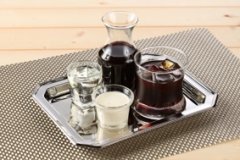
Movanby Cafe Mumbampterian 246 Ten pick cafe
Ladies and gentlemen, whether you want to chat with your sisters or read a book or be in a daze after going to the East side to buy a lot of blood, you might as well go to the Movingby Cafe and spend a beautiful afternoon!

History and Culture of Coffee beans in Burundi what is the mode of transportation and sales of coffee agricultural production and development
Coffee was introduced to Burundi by Belgian colonists in the 1920s, when it was a forced crop: farmers were required to plant a government-mandated number of coffee trees, of course, with little for their labor or land. Once the country gained independence in the 1960s, the coffee industry (and others) was privatized, depriving control from the government unless research was necessary.
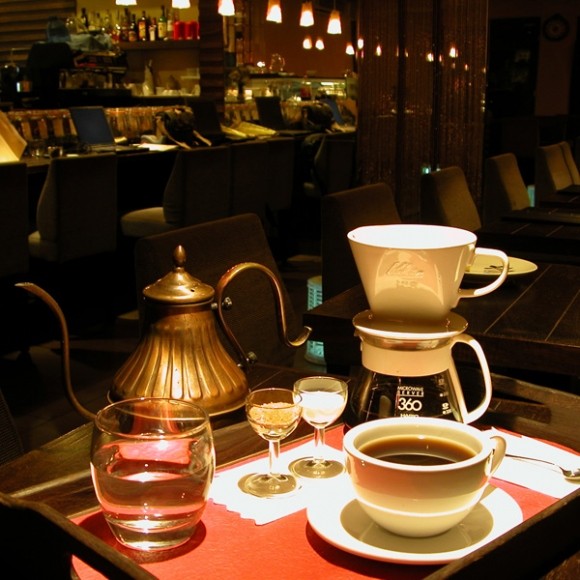
Various utensils and principles for making coffee how to use the cognition and maker of all kinds of coffee utensils
Due to the blind spots of students' cognition and production methods of various coffee utensils, the home page made a simple horizontal comparison and evaluation, hoping to help novice players to a certain extent. Due to the lack of time, if there are individual differences, I hope you can correct them. I hope everyone will work together to find the coffee utensils suitable for you and play the coffee well. There are many ways to make coffee, let's focus on a few

An introduction to the coffee flavor and taste of the fresh and bright Yega Fischer Manor in Ethiopia
Yejassefi's coffee trees were planted by European monks (a bit like Belgian monks growing wheat to brew beer) and were later transferred to farmers or cooperatives. Yejia Xuefei is actually constructed by surrounding coffee communities or cooperatives, including Edido Idido, Hafusa Harfusa, Hama Hama, Biloya, near Fog Valley Misty valley, all washed with water, but also

Introduction to the flavor and taste of Burundian boutique coffee manor
Formerly known as Urundi, Burundi formed a feudal kingdom in the 16th century. Since the middle of the 19th century, the forces of Britain, Germany and Belgium invaded. The long-ruled monarchy, which was conquered by Germany in 1890, listed it as the territory of German East Africa and fell under the control of the Belgian army in 1916. After World War I, the League of Nations merged Rwanda-
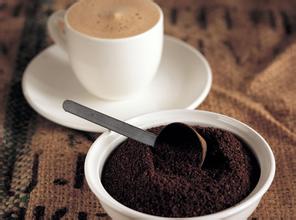
Introduction of the treatment method for the characteristics of varieties produced in the manor area with G1 flavor and taste of Yejiaxefi
Yega Xuefei Coffee introduces that Yega Xuefei's coffee trees were planted by European monks (a bit like Belgian monks growing wheat to brew beer), and later transferred to farmers or cooperatives. Yega Xuefei is actually constructed by surrounding coffee communities or cooperatives, including Edido Idido, Hafusha Harfusa, Hama Hama, Biloya near Fog Valley Misty valley.

Barista novice must know: a guide to the selection of coffee pots
Follow the caf é (Wechat official account vdailycom) found that the coffee maker is a coffee-making utensil opened in Beautiful Cafe. It was produced in 1685 and became popular during Louis XV. With the continuous development of coffee, there are many kinds of coffee pots. The principle of coffee extraction from each coffee pot is different, and the taste of coffee is also very different. Today, we're going to learn

Burundi fine coffee beans with excellent acidity
Burundi coffee characteristics Flavor description Taste treatment Method of production Region Variety grind Introduction Anchor point Burundi coffee was introduced by Belgian colonists in 1930. Unfortunately, many of these farms are located on the border with war-torn Rwanda, putting pressure on coffee production. Burundi coffee origin: Burundi (Burundi) coffee present
A comprehensive understanding of the types of Starbucks coffee
In 1971, three famous baristas, Jerry, Gordon and Giff, founded Starbucks Starbucks in Seattle, USA. They only sold heavy-baked coffee brewed by using pressure pots, not drinks and desserts, and soon became popular all over the United States. The emergence of Starbucks changed the situation of instant coffee unifying the United States, which had a far-reaching impact at that time. In 1974, Starbucks Marketing Manager Howard

You can still sell coffee in the drugstore, and this "pharmacy" in Taiwan wants to encourage you to visit more often.
Jumping out of the dreary medical environment and creating a more relaxed atmosphere is the trend of project design in hospitals and clinics. For example, the Belgian Pharmacy Van Dijck drugstore, which can drink fruit and vegetable tea, creates a free-flowing atmosphere with open birch medicine cabinets and brass lamp frames; the Belgian Pharmacy Van Dijck drugstore is located at Yiyitang traditional Chinese Medicine Clinic in Taipei.

Yega Xuefei Water washing G2G1 Flavor Solar treatment Coffee Bean description roasting record Origin introduction
The coffee trees of Yegasuefi in Ethiopia were planted by European monks (a bit like Belgian monks growing wheat to brew beer), and were later transferred to farmers or cooperatives. Yejassefi is actually constructed by surrounding coffee communities or cooperatives, including Edido Idido, Hafusha Harfusa and Hama Hama near Fog Valley Misty valley.
Six common ways of brewing coffee
1. Siphon pot (Syphon) is one of the most popular coffee brewing methods in cafes. Principle of siphon pot: under the combustion of alcohol lamp, when the water temperature in the lower container reaches 92 ℃, the water is sucked into the upper container with coffee powder, and after soaking and stirring, the coffee is returned. Suitable for coffee: slightly sour, medium-bodied coffee. Degree of grinding: slightly thicker than powder

Coffee knowledge six common ways of brewing coffee
1. Siphon pot (Syphon) is one of the most popular coffee brewing methods in cafes. Principle of siphon pot: under the combustion of alcohol lamp, when the water temperature in the lower container reaches 92 ℃, the water is sucked into the upper container with coffee powder, and after soaking and stirring, the coffee is returned. Suitable for coffee: slightly sour, medium-bodied coffee. Degree of grinding: slightly thicker than powder
Burundian Coffee Flavor with Fruit Flavor; introduction to the characteristics of fine coffee beans in the manor area
Formerly known as Urundi, Burundi formed a feudal kingdom in the 16th century. Since the middle of the 19th century, the forces of Britain, Germany and Belgium invaded. The long-ruled monarchy, which was conquered by Germany in 1890, listed it as the territory of German East Africa and fell under the control of the Belgian army in 1916. After World War I, the League of Nations merged Rwanda-

Godivan Chocolate products which good chocolate giant Godivan will close North American brick-and-mortar stores
When Belgian premium chocolate maker Godiva opened its first concept cafe in New York in April 2019 and plans to open a total of 2000 cafes around the world, it seems that Godivan's plan is falling through. According to media reports, Godivan announced that it would close or sell its 128 brick-and-mortar stores in North America and its North American business by the end of March this year.

What are five common uses of equipment for making coffee? What is the reason for using it?
Five common equipment uses for making coffee drip coffee brewing method invented by the Germans. To put it simply, after grinding the coffee, put it in a funnel or add a layer of filter paper and pour hot water on top (the ideal water temperature is between 80C and 85C). Due to the gravity of the earth, the coffee will flow out from below. The amount of coffee is usually 7 to 10 grams of powder can make about a cup of 120ml. Rainbow